


Finding apartments for rent that allow german shepherds often requires more preparation than a basic pet-friendly apartment search. Many communities publish general pet policies online, but the details that matter most may appear in lease addendums, management guidelines, or application screening steps. A renter who arrives with organized documents, verified training records, and a clear plan for daily care is better positioned to have a productive conversation with a leasing team.
The goal is to show that the application is complete, transparent, and easy to review. Instead of relying on a brief note that says a dog is well behaved, applicants can provide a practical package that answers the questions property managers commonly ask: Is the dog vaccinated? Has the dog lived successfully in an apartment before? Are there references? Is there training documentation? Is the renter prepared to follow building pet rules? The habits below help turn those answers into a structured rental strategy.
Habit 1: Build a Comprehensive Pet Resume to Bypass Breed Restrictions
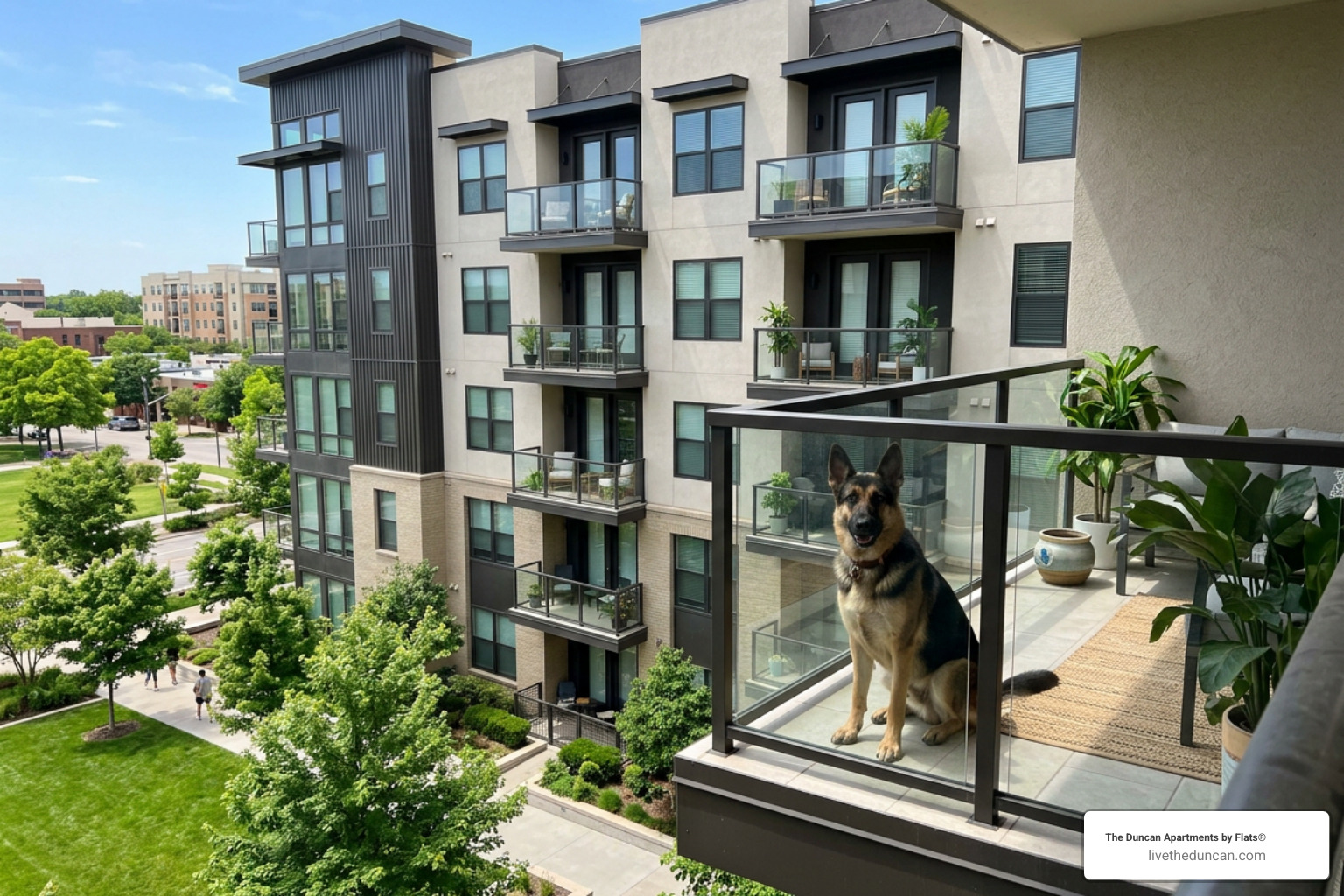
When searching for apartments for rent that allow german shepherds, presenting a polished, professional pet resume can transform how property managers view your dog. Most leasing offices rely on rigid rules because they fear potential property damage, noise complaints, or community disruption. A well-organized pet resume directly addresses these concerns before they become dealbreakers in the application process.
A strong resume reframes your dog from a theoretical risk to a well-cared-for, fully documented resident. Property managers appreciate complete transparency, as detailed records indicate a responsible pet owner who will respect community rules and property maintenance standards. For broader insights on finding communities open to various companion breeds, check out our guide on Apartments That Take Large Dogs.
Creating Portfolios for Apartments for Rent That Allow German Shepherds
A complete pet portfolio should present a structured overview of your dog's history, health, and behavior. Organizing these items into a cohesive document demonstrates your commitment to responsible tenancy:
- Identification and Photos: High-resolution photos showing your dog in clear, friendly settings (avoiding aggressive postures, guard stances, or distracting environments).
- Medical Documentation: Complete vaccination logs, spay/neuter verification, and recent health checks signed by a licensed veterinarian.
- Reference Letters: Formal letters from previous landlords, neighbors, or dog trainers confirming good behavior, minimal barking, and zero property damage.
- Training Certifications: Written proof of completed obedience courses, socialization classes, or working dog evaluations.
The most useful pet resumes are concise but complete. A one-page summary can list the dog's name, age, weight, veterinary clinic, microchip status if applicable, and daily routine. Supporting documents can follow as attachments, so leasing staff can quickly review the overview first and then examine the records that support it.
Having these documents organized into a single PDF makes it simple to attach to digital applications or hand directly to leasing staff during site visits. Taking this initiative immediately separates your application from standard inquiries.
Habit 2: Secure Behavioral Certifications and Training Proof
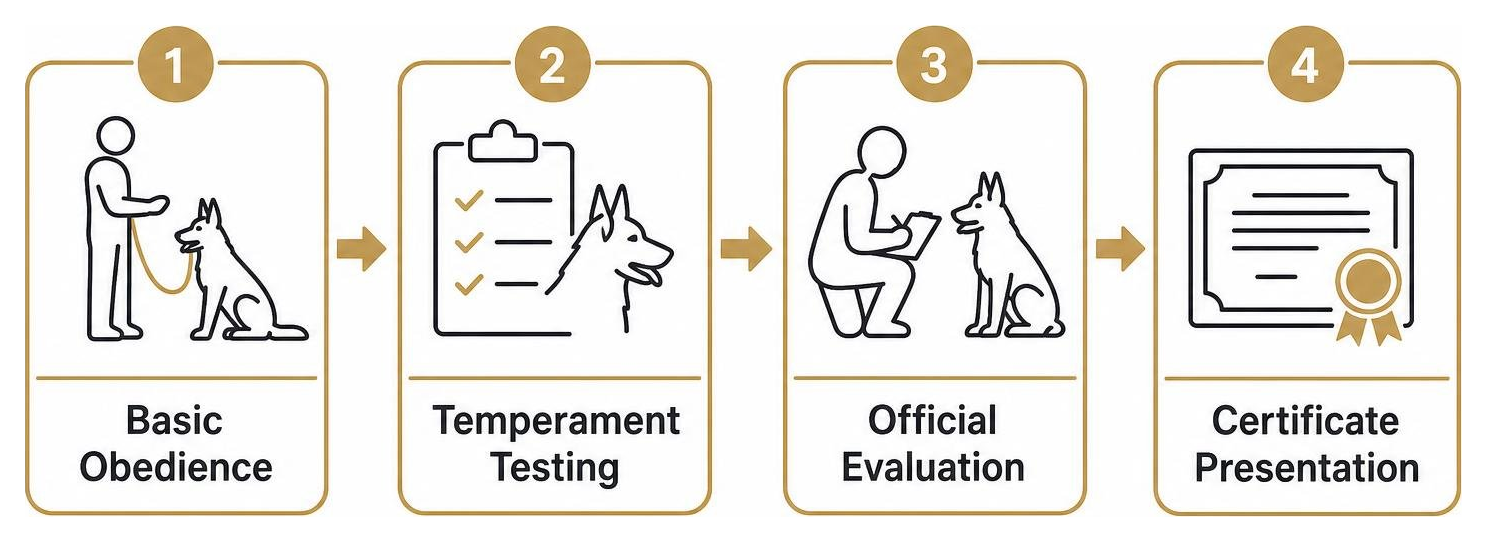
Beyond basic vaccination records, official behavioral credentials provide tangible proof of your dog's temperament and leash manners. Certifications shift the conversation from generalized breed assumptions to verifiable individual training achievements.
Presenting Canine Good Citizen Records to Landlords
The American Kennel Club's (AKC) Canine Good Citizen (CGC) certification is widely recognized across the rental industry. This 10-step test evaluates handler control, reactions to distractions, and calm behavior around strangers or other animals. Organizations like the AKC Canine Good Citizen Program establish strict testing guidelines that demonstrate practical everyday obedience.
When presenting CGC or equivalent obedience records to property managers:
- Include the official test sheet signed by an accredited evaluator.
- Highlight specific passed skills, such as controlled walking on a loose leash, sitting politely for greeting, and calm behavior when left briefly with a trusted handler.
- Point out ongoing training routines, demonstrating a long-term commitment to community safety, quiet indoor hours, and proper property care.
Providing concrete evidence of obedience training gives leasing agents the objective documentation they need when reviewing applications.
Habit 3: Navigate Property Rules and Search Strategy for Apartments for Rent That Allow German Shepherds
Searching for apartments for rent that allow german shepherds requires looking beyond standard rental search portals. Learning how to navigate lease language and evaluate landlord management structures saves significant time during your housing search. If you need step-by-step guidance on identifying pet-friendly spaces, see our resource on finding a Pet-Friendly Apartment for Rent.
| Property Type | Pros | Cons | Policy Flexibility |
|---|---|---|---|
| Corporate Apartment Complexes | Standardized processes, clear online portals, dedicated pet amenities | Strict breed lists, consistent pet rules, limited exceptions | Low (rarely grant individual breed exemptions) |
| Private Landlords | Direct communication, flexible policies, personalized evaluations | Inconsistent lease terms, manual application processes | High (open to pet resumes and interviews) |
When reviewing a listing, do not stop at the phrase "pets allowed." Ask for the written pet policy and clarify whether restrictions are based on breed, weight, age, vaccination status, or the result of a pet interview. Some communities distinguish between general pet acceptance and approval for a specific animal after documentation review. Others require renters to use a third-party pet screening platform before the application can move forward.
It is also helpful to keep a tracking sheet during the search. Record each property's pet policy details, required documents, policy requirements, renters insurance requirements, and the name of the leasing representative who confirmed the information. This prevents confusion when comparing communities and helps ensure that all application materials are ready before submission.
Utilizing Specialized Databases for Apartments for Rent That Allow German Shepherds
Standard search platforms often fail to filter out breed-specific restrictions accurately. Utilizing specialized networks streamlines the search process and prevents unnecessary application delays:
- Dog-Inclusive Databases: Resources like My Pit Bull is Family maintain national directories of rental properties with open pet policies or high weight limits.
- Humane Society Lists: Organizations such as local humane societies frequently publish regional housing lists detailing specific breed permissions and pet-friendly developments.
- Direct Leasing Inquiries: Contacting property managers directly to verify exact policy details before submitting application materials saves time and reduces confusion.
Understanding management structures allows applicants to target buildings where pet resumes and behavioral certifications carry the most weight.
Habit 4: Prepare Insurance Policies and Property Documentation
Demonstrating complete preparedness reassures housing managers that any potential property issues will be fully covered. Proactively securing liability policies shows a commitment to risk management that leasing teams appreciate.

Managing Pet Addendums and Insurance Requirements
Most leases involving animals involve clear rules and policy addendums:
- Pet Addendums and Policies: Typical leases include specific pet addendums alongside standard community guidelines per animal (up to a standard two-pet limit per apartment).
- Renters Insurance Policies: Standard renters policies may exclude specific canine breeds from liability protection. It is essential to secure a policy that explicitly includes animal liability coverage without breed exclusions.
- Liability Coverage Limits: Carrying a policy with standard liability coverage ($100,000 to $300,000) shows responsible ownership and offers extra peace of mind for property management teams.
Providing proof of active insurance prior to signing a lease builds immediate trust with housing managers.
Habit 5: Maintain Daily Apartment Management and Exercise Routines
Living comfortably in an apartment setting requires consistent daily habits. Providing proper mental stimulation, physical activity, and clear indoor boundaries keeps your pet content while keeping communal corridors and common spaces quiet.
For advice on setting up an ideal living situation in major metro hubs, explore our guide to Dog-Friendly Apartments Chicago IL.
Daily Management Practices
- Daily Exercise Routines: High-energy dogs need structured physical outlets every day to reduce indoor stress, excess energy, and unwanted barking.
- Utilizing Building Amenities: Dedicated on-site spaces, such as indoor dog wash stations or designated outdoor pet runs, streamline daily care and keep residential hallways clean.
- Crate Training and Noise Control: Establishing clear indoor boundaries and crate routines prevents separation anxiety and maintains quiet during work hours.
Consistent daily schedules ensure that your dog remains a quiet, peaceful neighbor throughout your tenancy.
Frequently Asked Questions About German Shepherd Rentals
Can landlords deny emotional support animals if they are German Shepherds?
Under the federal HUD Fair Housing Act guidelines, verified assistance animals (including emotional support animals and trained service animals) are recognized as reasonable accommodations rather than standard pets. Landlords generally cannot enforce breed restrictions for verified assistance animals unless the individual animal poses a direct safety threat or creates an undue administrative burden on the property.
What pet policies and agreements are standard for German Shepherds?
Lease terms vary by property and regional market, but most apartment leases require specific pet addendums or agreements per animal. Housing communities usually specify a maximum limit of up to two pets per residence.
How does temperament testing work during leasing application processes?
Some residential communities require an in-person pet interview or behavioral evaluation prior to lease approval. Management teams observe basic leash etiquette, responsiveness to handler commands, overall composure, and reaction to common apartment sounds or passing residents in shared lobby spaces.
Conclusion
Securing a modern apartment with a German Shepherd comes down to systematic preparation, clear documentation, and consistent daily care. By building a comprehensive pet portfolio, obtaining behavioral certifications, securing liability insurance, and maintaining daily routines, finding your next rental home becomes a clear, successful process.
Looking for modern living tailored to your lifestyle? Discover stylish, comfortable spaces at The Duncan Apartments by Flats®. Explore floor plans and community features today using our Pet-Friendly Apartments Chicago Guide.


